


South African food has never been just about what’s on the plate. It is memory. It is migration. It is family. It is survival, celebration, and the unmistakable comfort of knowing that somewhere, somehow, there is a meal that tastes like home.
And while the braai may take centre stage every Heritage Day, our culinary identity is far broader shaped by generations of cooks, home kitchens, inherited recipes, and people who have carried South African food into new spaces.
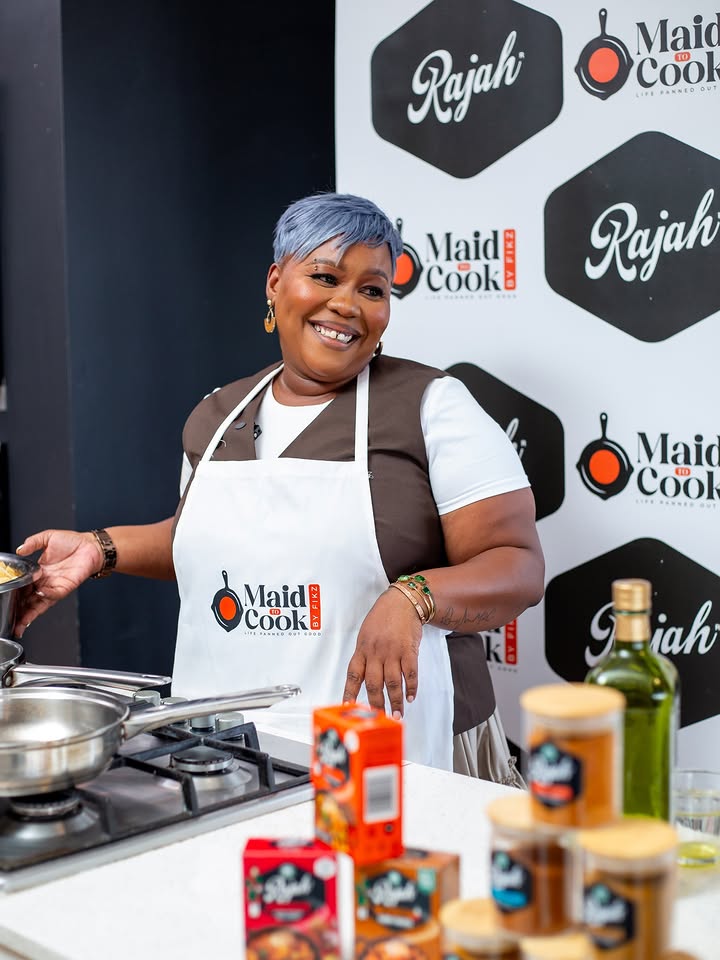
Fikile Zungu, affectionately known as Fiks, is one of them. An award-winning food and lifestyle creator, author, and recipe developer, Zungu has built a career around something that initially looked much simpler: cooking food and sharing it with people. But hers is not a conventional culinary success story.
From Soweto to Brussels
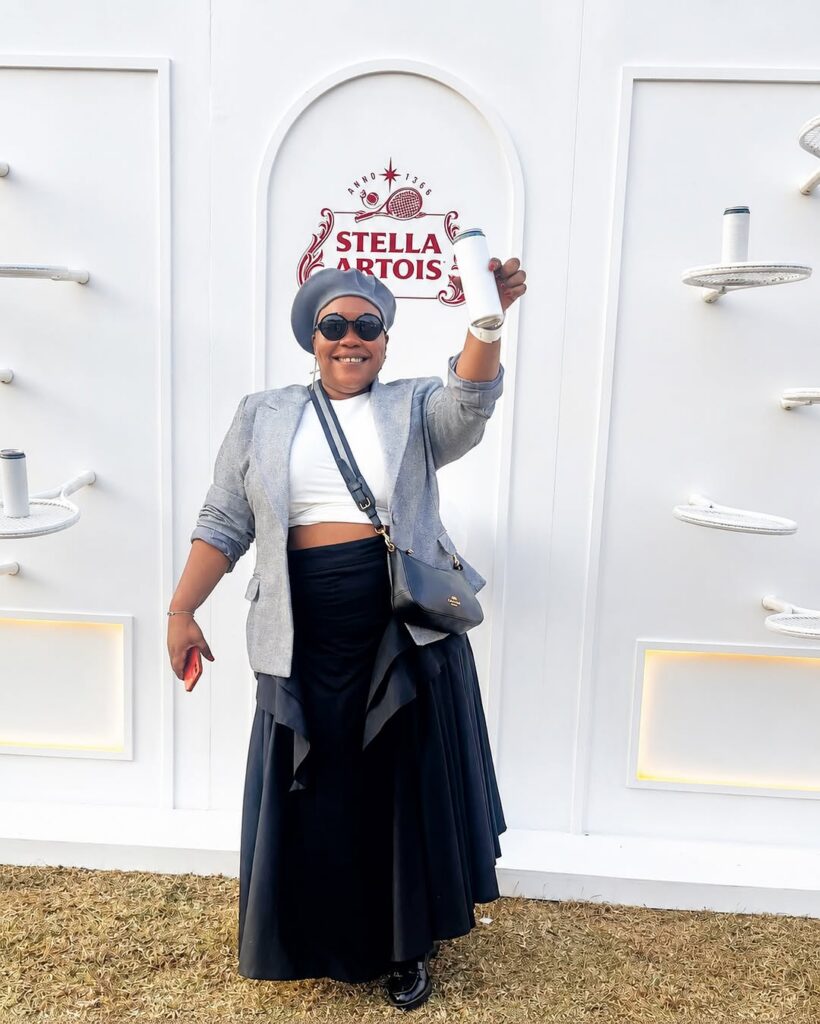
Raised in Soweto, Gauteng, Zungu entered the workforce as a cleaner. Years later, after moving to Brussels, Belgium, she found herself working as a domestic worker for the South African Ambassador a position she held for six years. It was there that her relationship with professional cooking began to take shape.
Through hard work and a willingness to learn, she moved from domestic work into the kitchen, eventually becoming a house cook. The transition placed her in an environment where food, hospitality, and culture intersected daily, while exposing her to different culinary traditions and new ways of approaching the kitchen. Those years would become an unlikely foundation for the career she would eventually build.
Before the Brand, There Was Home
Long before Zungu was creating content for an audience, there was the kitchen she knew growing up.
Her relationship with food was formed in Soweto, watching the women around her cook with a kind of care that rarely makes it into a recipe book. In many South African homes, cooking is less about following instructions than it is about instinct knowing how much of this, a little more of that, and understanding that a meal can be an expression of love.
For Zungu, those early experiences established the emotional connection that continues to underpin her work. Food was never simply food. It was a reason for people to gather.
That understanding has become increasingly relevant as South African food culture finds new audiences through digital platforms. Social media has created space for home cooks, creators, and storytellers to document the food traditions that have historically lived in family kitchens rather than formal culinary institutions. Zungu stepped into that space almost unintentionally.
When Sharing Food Became Something Bigger
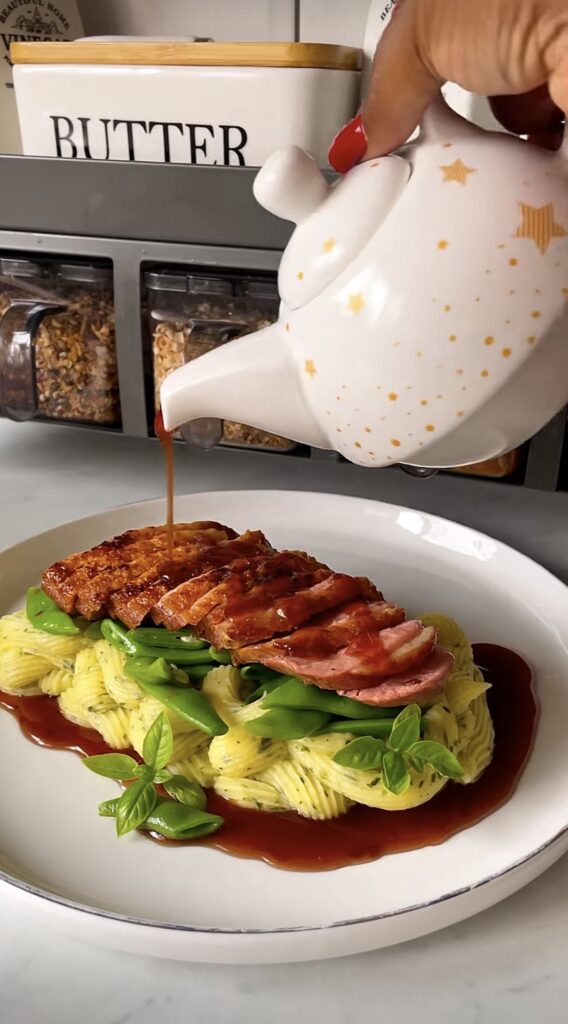
There was no elaborate blueprint behind her entry into content creation. She started by sharing the food she was making. The response changed everything. People recognised themselves in the meals. They recognised familiar flavours, everyday ingredients, and the feeling attached to food made at home. What might have been an ordinary plate to one person could evoke an entire childhood for another.
That connection became the foundation of Fikzexperience — a platform that extends beyond recipes into storytelling, culture, creativity, and the everyday pleasure of cooking.
It’s an important distinction. The internet is saturated with polished food content: elaborate dishes, perfect kitchens, and recipes designed for the camera as much as the table. Zungu’s appeal has come from moving in the opposite direction. Her food is accessible, recognisable, and rooted in the kind of cooking people actually do at home.
The result is content that feels less like a cooking demonstration and more like an invitation into a shared experience.
The Beauty of the Everyday
Part of Zungu’s growing influence lies in her ability to make everyday food feel worthy of attention. There is a quiet power in that.
South African food culture has often been discussed through the lens of signature dishes and grand culinary traditions. But heritage also exists in the ordinary: the weekday meal, the family favourite, the recipe that was never written down, and the dish prepared so often that nobody remembers where it originally came from.These are the foods that tell the most intimate stories.
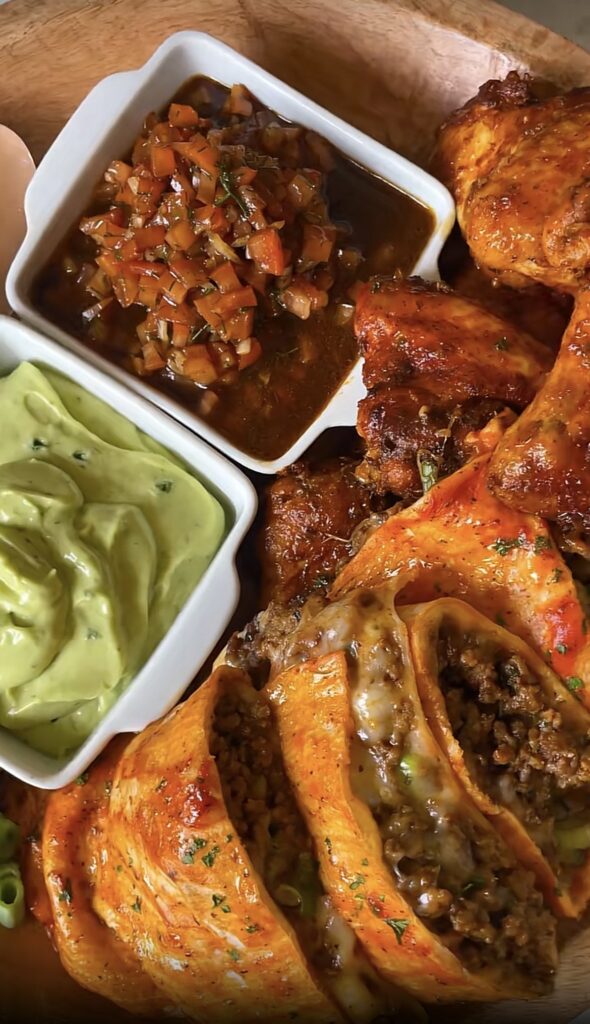
Zungu’s content places that everyday cooking in the spotlight while presenting it with a visual polish that speaks to a new generation of food lovers. It is familiar without being dated. Beautiful without becoming inaccessible. And that balance matters.
Full Circle: From Soweto to Brussels and Back to the Table
There is also something significant about the geographical arc of Zungu’s story. Soweto gave her the foundation: food as family, community, and connection. Brussels broadened her perspective, placing her in an international environment where she encountered different cultures and approaches to hospitality.
The digital world then gave her a platform to bring those experiences together. Her journey demonstrates how culinary identity can travel without losing its roots. Food changes as people move, work, learn, and encounter other cultures, but the emotional significance of home often remains.
That tension between where we come from and where life takes us is at the heart of much of South Africa’s food story.
A Different Kind of Culinary Career

Zungu’s rise also speaks to a broader shift in the food industry. The modern food creator does not necessarily need a restaurant kitchen, a culinary school qualification, or a traditional media platform to build an audience. A phone, a kitchen, and a distinct point of view can become the beginning of a career. But visibility alone is not enough.
Zungu’s trajectory has been built on consistency and relatability — showing up, creating regularly, and allowing audiences to connect with the person behind the food. What began with sharing meals has grown into a broader creative career encompassing content creation, recipe development, and authorship.
It is a reminder that some careers are not mapped out in advance. They are built gradually, through the accumulation of skills, experiences, and opportunities that only make sense when viewed in hindsight.
More Than the Braai
As Heritage Month brings renewed attention to what defines South African culture, the conversation around food deserves to be expanded. Yes, there is the braai.
But there are also the home cooks. The grandmothers. The domestic workers who became cooks. The recipes carried across borders. The meals prepared after long working days. The creators documenting food for audiences who may never have sat at the same table but recognise the same flavours.
Fikile Zungu’s story belongs in that broader conversation. Her journey from cleaner to domestic worker, from domestic worker to house cook, and ultimately from cook to award-winning food creator is about more than career progression. It is about recognising value in experiences that might otherwise be overlooked.
It is about turning food into a language for culture and memory. And, perhaps most importantly, it is about understanding that sometimes the most powerful stories are already sitting in our kitchens waiting for someone to tell them.