


As Africa Fashion Week Nigeria returns to Lagos for its 12th edition, the continent’s fashion story is moving beyond visibility and towards influence, commerce and a new creative future.
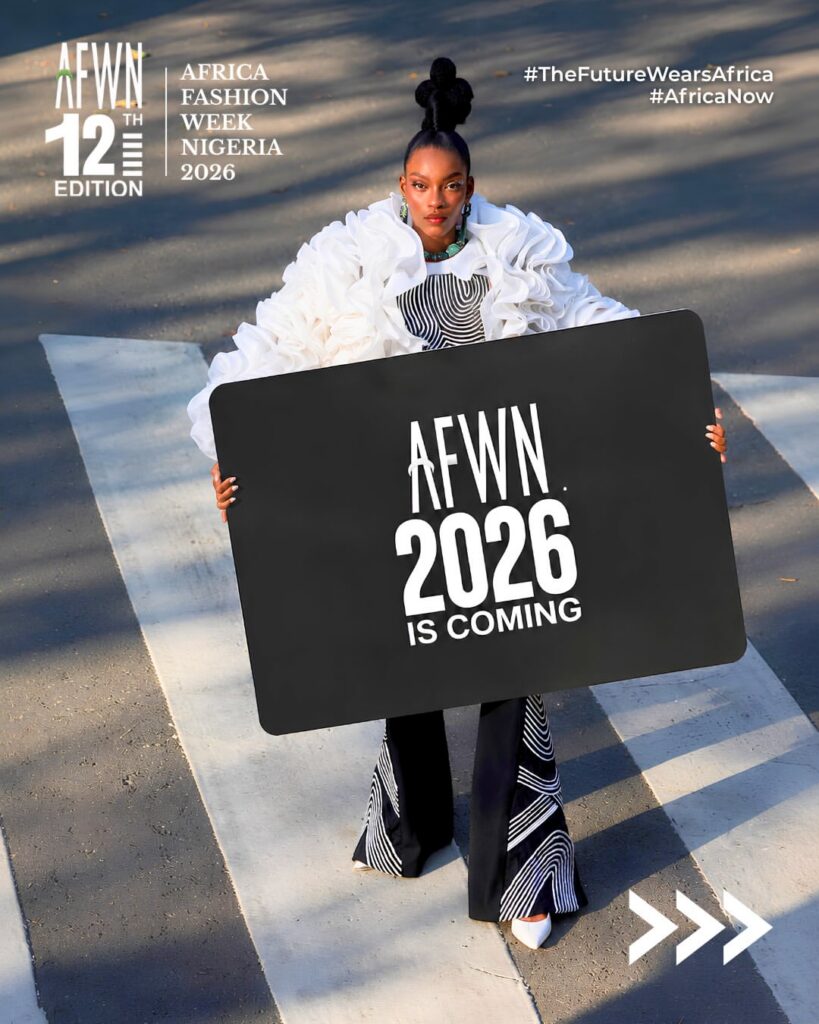
African fashion has never been short of creativity. What is changing is the scale of the conversation.
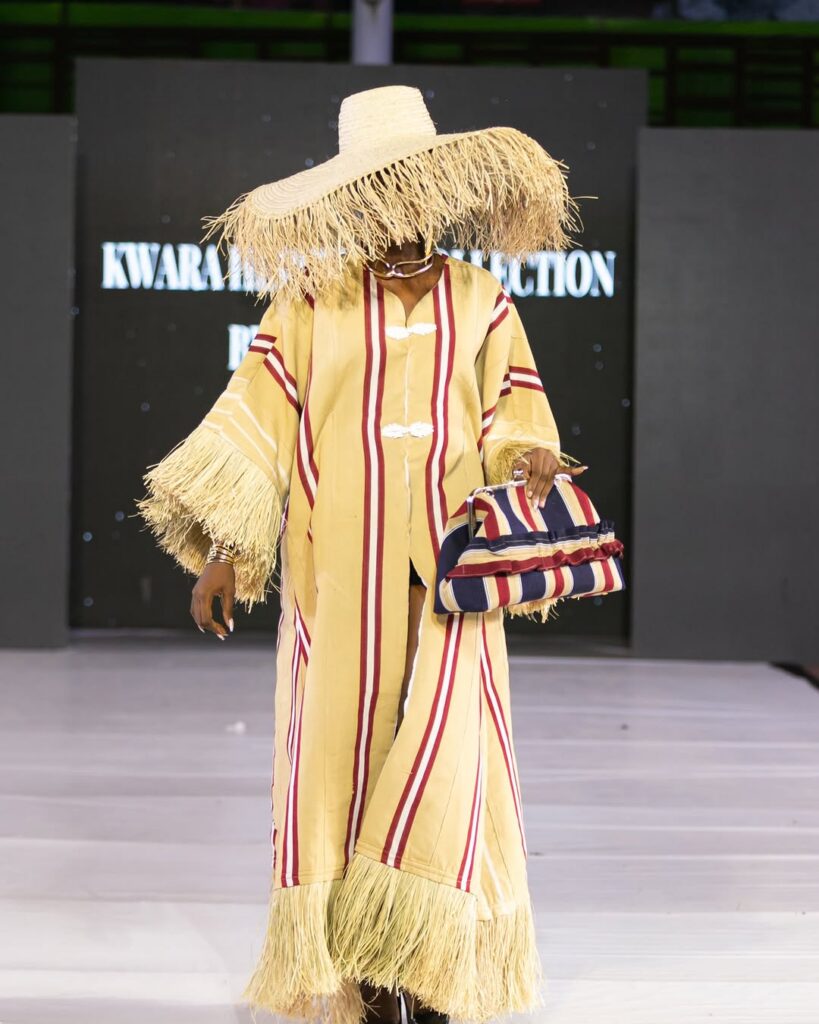
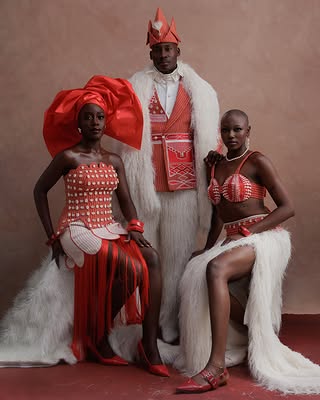
Designers across the continent are taking familiar materials, techniques and cultural references and transforming them into contemporary fashion with distinctly individual points of view. Craft is becoming structure, pattern is becoming identity, and traditional techniques are finding new expression.
That conversation will take centre stage in Lagos this December when Africa Fashion Week Nigeria (AFWN) returns for its 12th edition under the theme “The Future Wears Africa.” The event will take place on 12–13 December 2026 at the J.Randle Centre for Yoruba Culture and History in Lagos, bringing together designers, creatives, buyers, investors, media and fashion audiences.
From London to Lagos
The 2026 edition follows the recent staging of Africa Fashion Week London, creating a connection between two cities that occupy different but complementary positions within the African fashion conversation.
Africa Fashion Week London was founded by Queen Ronke Ademiluyi-Ogunwusi in 2011 with a focus on increasing the visibility, awareness and sustainability of African and Black fashion brands. AFWN now brings that conversation back to Lagos, placing African designers and the continent’s creative economy at the centre of the discussion.
The timing is significant. Lagos is a city where fashion intersects with music, art, business and popular culture, making it a natural setting for a conversation about where African fashion goes next. And this year’s message is deliberately bigger than the runway.
Beyond the catwalk
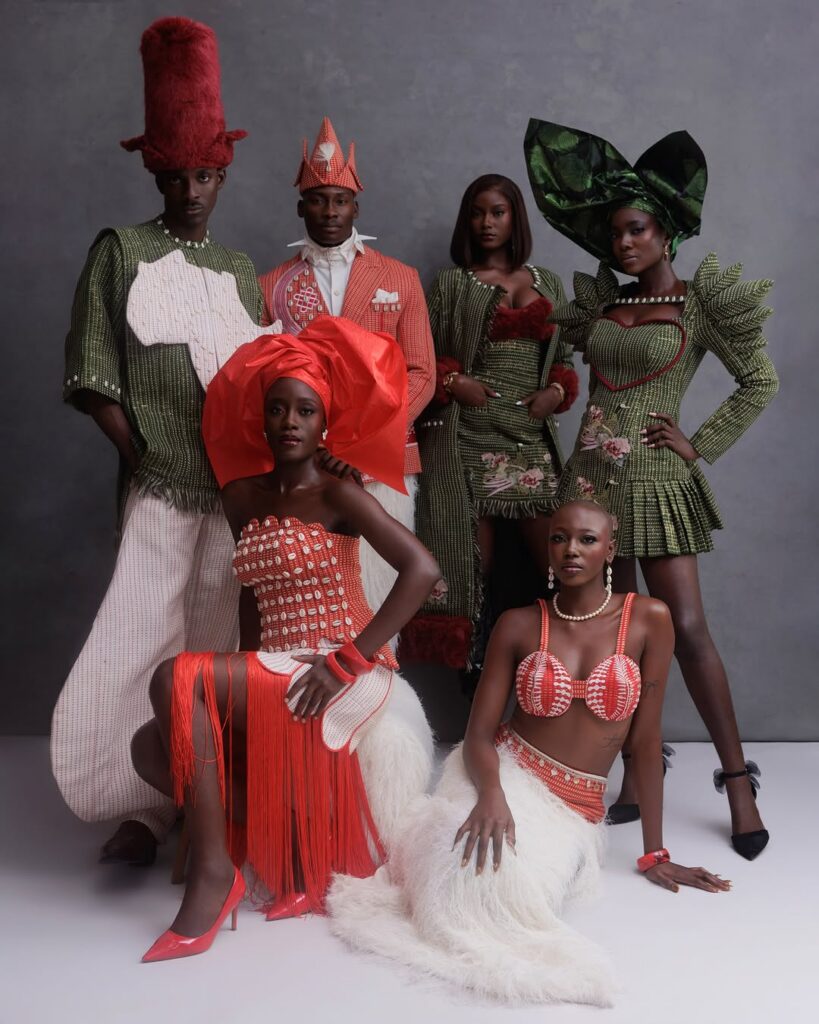
AFWN 2026 is being structured around the idea that designers need more than an audience. They also need access to buyers, investment, markets, media, partnerships and networks that can help transform creative ideas into sustainable businesses.
The two-day programme will therefore combine fashion showcases with industry and cultural programming.
Day One will focus on fashion, industry and opportunity, connecting designers with buyers, investors, media and industry leaders while also exploring business, technology and innovation.
Day Two will broaden the experience through designer showcases, marketplace experiences, networking and cultural programming, bringing fashion and commerce together.
It is an approach that reflects a wider shift in African fashion: the runway is no longer the entire story. For emerging brands, visibility matters, but so do the structures that allow them to grow.
A new generation of African design
One of the strongest ideas emerging from the AFWN 2026 campaign is the changing language of African fashion.
Across the continent, designers are taking familiar materials, techniques and cultural references and giving them new contemporary expression. The result is fashion that can acknowledge heritage while remaining firmly connected to the present.
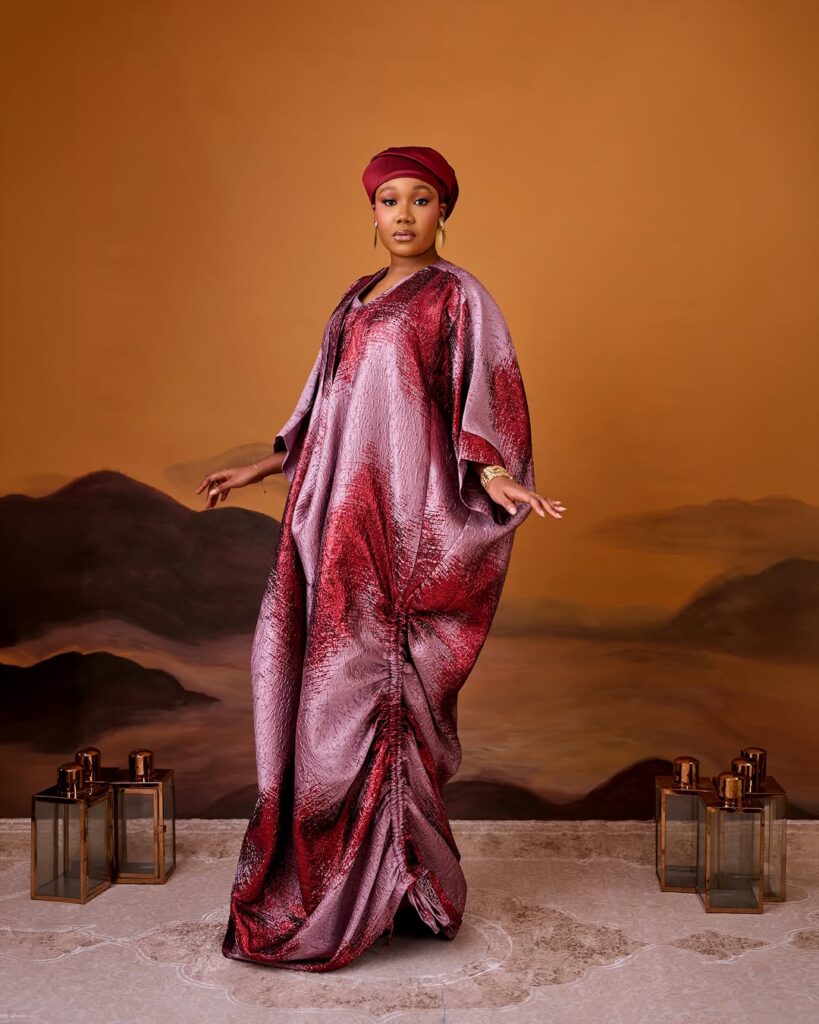
Among the designers highlighted in the campaign are Demiji Ilori and Binta Badmus, whose inclusion reflects the range of creative perspectives shaping the next chapter of African fashion.
For Badmus, modest fashion becomes a space for elegance, individuality and self-expression. The brand describes itself as built around timeless design, intentional craftsmanship and a commitment to women who view modest fashion as both a lifestyle and a form of personal expression. It also follows a slow-fashion approach, with pieces created through a considered design process.
The wider AFWN conversation is not about creating one definition of what African fashion should look like. Instead, it is about allowing designers to develop their own visual languages and perspectives.
Raffia becomes structure. Pattern becomes identity. Craft becomes contemporary.
This is where designers such as Ilori and Badmus become part of a much larger story — one in which African fashion is being shaped by different aesthetics, experiences and interpretations rather than a single visual identity.
And that diversity is central to the message behind “The Future Wears Africa.” The future is not simply about putting African-inspired fashion on international runways. It is about creating brands, ideas and businesses capable of contributing to the global fashion conversation on their own terms.
Why Africa, why now?
The theme “The Future Wears Africa” also points towards a much larger demographic and economic story.
Africa’s population is projected to reach around 2.5 billion by 2050, representing approximately 28 percent of the world’s population. Nigeria is projected to reach roughly 359 million people over the same period, positioning the country within one of the continent’s most significant demographic and consumer markets.
For fashion, those numbers raise an important question: what happens when the world’s largest growing population becomes an even more influential force in defining culture, consumption and creativity?For AFWN, the answer begins in Lagos.
The event’s organisers are positioning African fashion not simply as something the international fashion industry observes, borrows from or celebrates occasionally, but as a creative and commercial force capable of shaping what comes next.
Lagos is the next chapter
There is also something symbolic about the movement from London back to Lagos.
London has provided an important international platform for African and Black designers, while Lagos represents the pulse of a rapidly evolving African creative economy. Bringing the conversation between the two cities together creates an opportunity to connect international visibility with local creative energy.
As Africa Fashion Week Nigeria prepares for its December return, the clothes will undoubtedly remain central: the designers, models, silhouettes, textiles, styling and spectacle that make fashion week exciting. But AFWN 2026 is asking audiences to look beyond the clothes.
Who gets to shape the future of fashion? Where will the next generation of ideas come from? And what will the world wear as Africa’s cultural and economic influence continues to grow? In Lagos this December, Africa Fashion Week Nigeria is putting forward its answer: the future of fashion is already being designed, made and worn across Africa.
For Ossify Online, this story positions AFWN 2026 not simply as a fashion event, but as a conversation about African creativity, identity, business and the future of global fashion.