


Before the Bessies. Before the world tours. There was a body in a room full of candles, refusing to apologize.
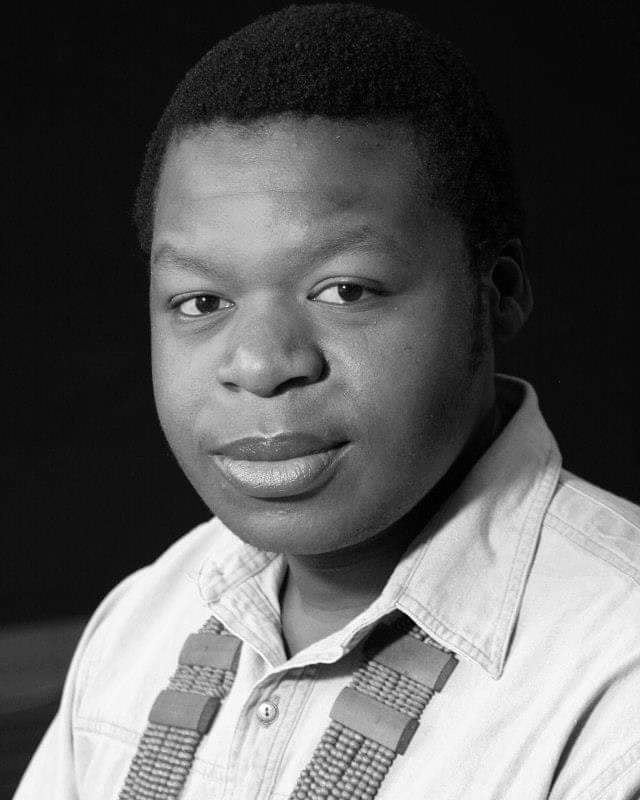
Who is Albert Ibokwe Khoza?
Born ,bread, and buttered in Soweto. Albert Silindokuhle Ibokwe Khoza is an actor, dancer, singer, choreographer, director, performance artist and traditional healer whose work moves between theatre, dance, music, ritual and installation. But even that list feels insufficient.
Because to describe Albert simply as an actor is to miss the larger world they have constructed through their body and their practice. Their work is rooted in South Africa, but it refuses to remain contained by South African borders. It travels between the ancestral and the contemporary, the sacred and the theatrical, the intimate and the political.
And long before television audiences knew their face, theatre audiences were already learning to sit with the questions Albert’s work demanded.
The Thursday night that stayed with me
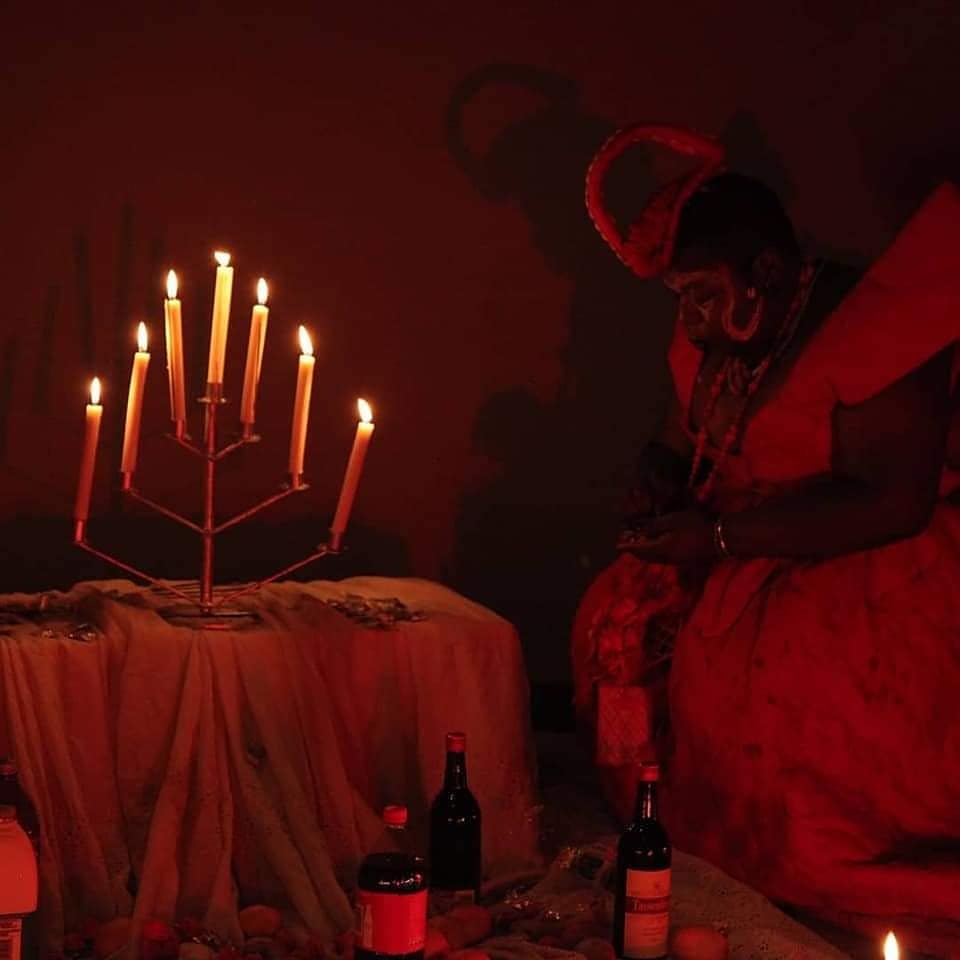
The year was either 2011 or 2012. I cannot remember the exact year, but I remember the night. It was a Thursday.
Thursdays were my theatre nights. The one evening I allowed myself to slip out of the week’s ordinary rhythm and into another world. A friend said, “Come watch Influences of a Closet Chant.” I didn’t know who Albert Ibokwe Khoza was yet.
The room was dark. Not theatrical dark, but ceremonial dark. Red and white candles on the floor. Breath held low in the space. And then Albert naked, utterly vulnerable, utterly ungoverned.My first thought was simple:What a brave soul.
I didn’t know I was watching one of South Africa’s most definitive contemporary performance artists in the making. I only knew the image wouldn’t leave me. More than a decade later, it hasn’t. That memory remains one of my strongest introductions to Albert Ibokwe Khoza.
An artist who refuses to be placed in a box
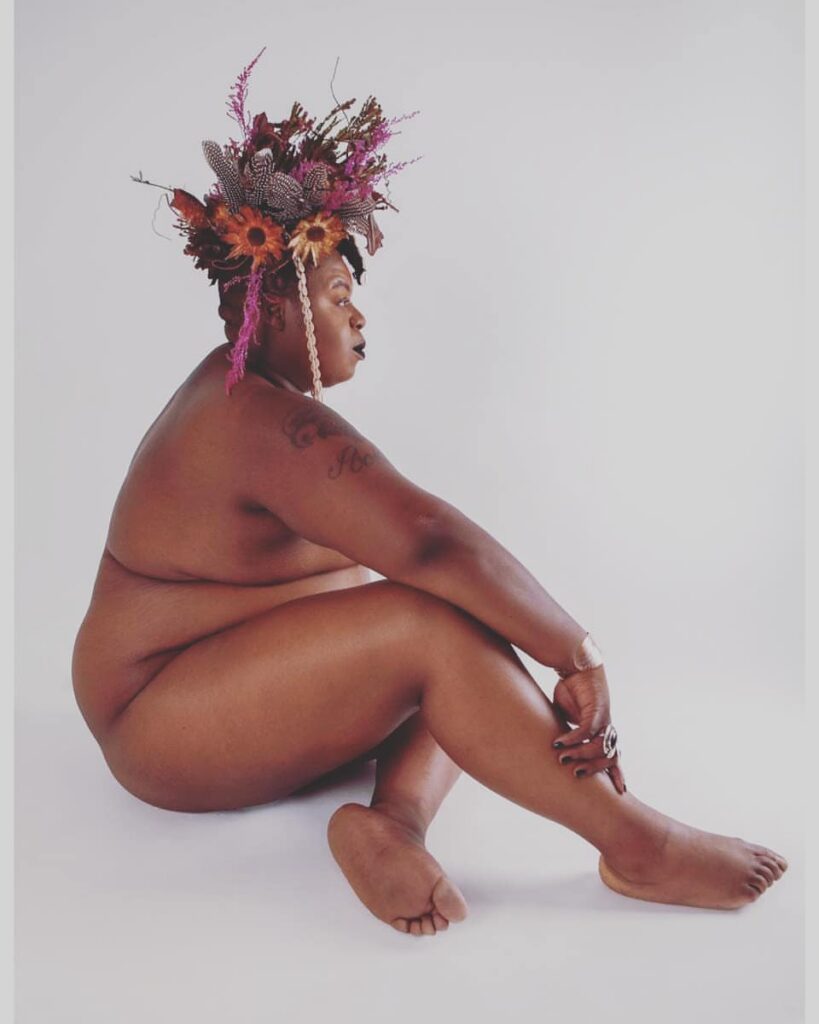
Albert Ibokwe Khoza is not easily contained by one artistic discipline. Their practice is deeply rooted in South Africa while speaking to questions that extend far beyond the country’s borders. International institutions describe Khoza as an interdisciplinary performance artist whose work explores sexuality, ancestral practice, social ills, leadership, identity and the politics of the Black body.
Perhaps that is what makes their work so compelling. Albert does not simply perform a character for an audience. They place their own body, spirituality, identity and lived experience at the centre of the work, asking audiences to confront ideas they may otherwise prefer to avoid. Their work challenges the boundaries between performer and ritualist, theatre and ceremony, vulnerability and power.
From a young performer in Johannesburg
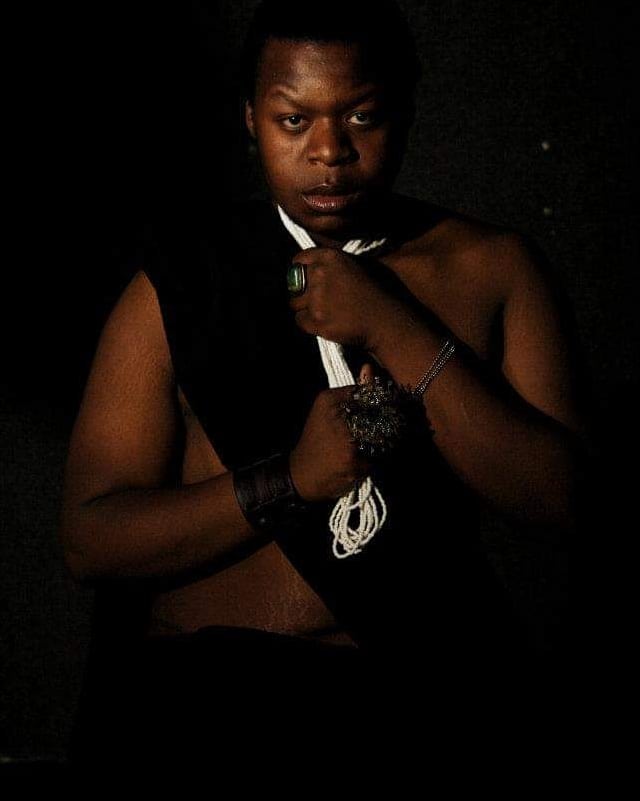
Albert’s relationship with performance began at around 10 years old, performing in school plays and commercials for retail stores. In 2005, they joined the Hillbrow Theatre under the mentorship of Michael Linda Mkhwanazi and Gerard Bester.
Hillbrow would become an important part of their artistic development. It was a formative period, one that gave a young Albert the space to explore performance while developing the discipline that would eventually take them beyond South Africa.
They later pursued a Bachelor of Arts in Dramatic Arts at the University of the Witwatersrand, where their training encompassed music, drama and dance. But formal training was only one part of their education.
The body as a site of expression
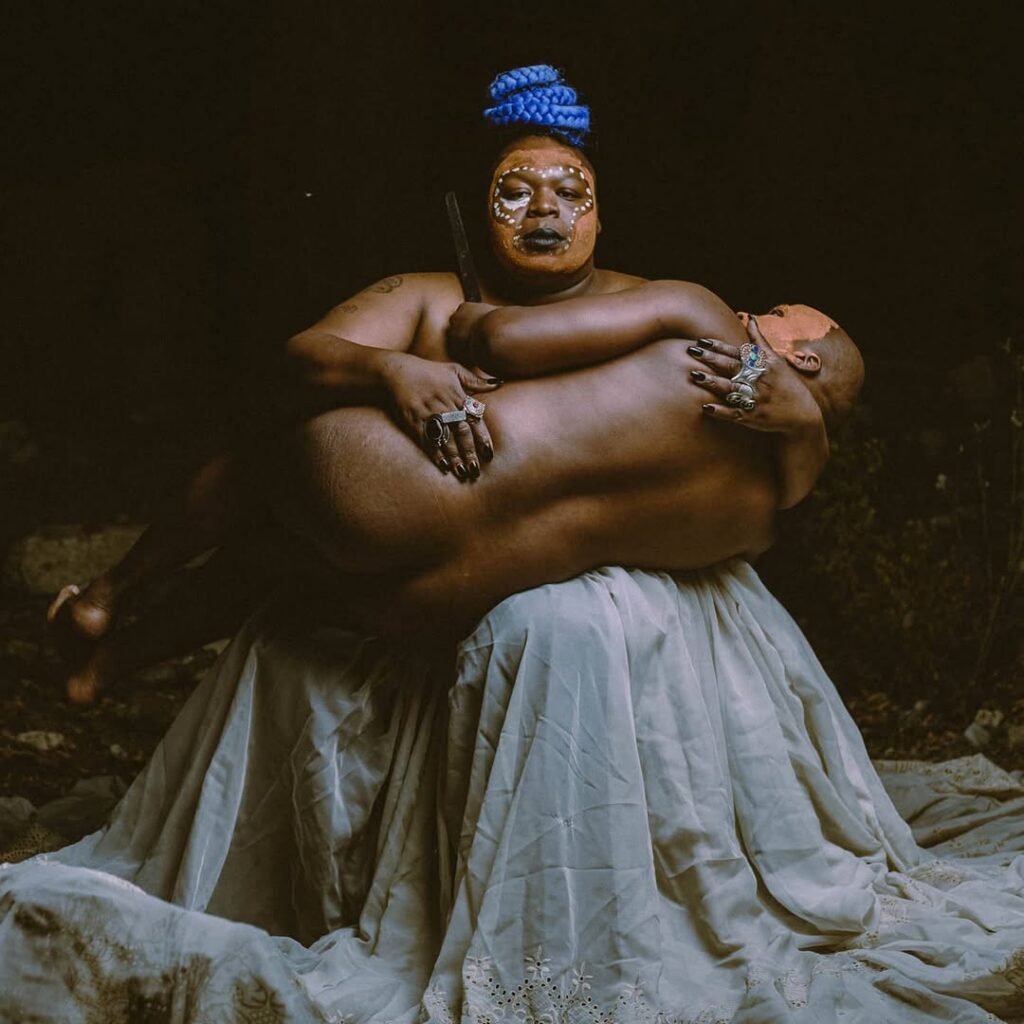
There is something particularly powerful about the way Albert uses the body. The body in their work is not simply something that moves across a stage. It becomes a place where questions about history, identity, sexuality, spirituality, race, colonialism and society collide.
In Influences of a Closet Chant, the body was exposed in a way that was both literal and metaphorical. The performance drew on Albert’s experiences and multiple identities, bringing together sexuality, spirituality, religion and traditional healing. It was an intimate and ritual-like unveiling, challenging audiences to reconsider difference and otherness. The nudity was not simply about nudity. It was vulnerability. It was confrontation. It was an artist asking an audience to look and then to question why they were uncomfortable with what they saw.
From the stage to the screen
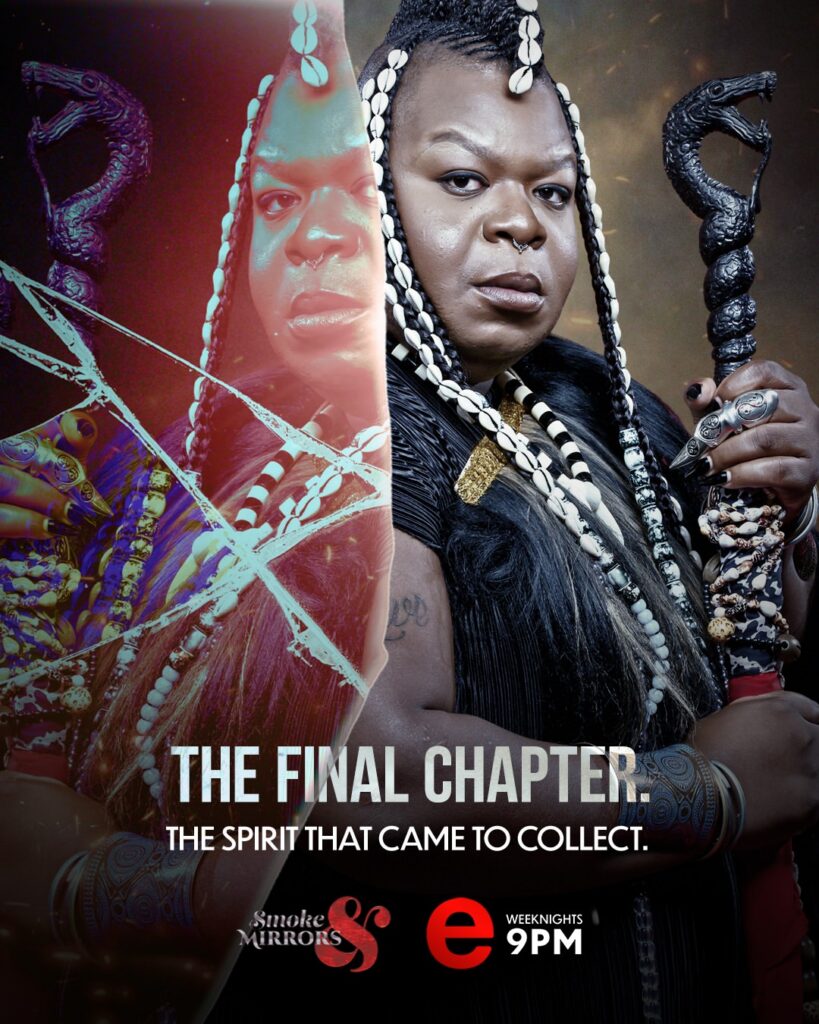
While theatre remains an important part of Albert’s artistic identity, their journey has also expanded into South African television.
Their screen work has included appearances in popular productions such as Rhythm City, The Estate, Blood Psalms and Smoke & Mirrors, where they have taken on roles ranging from spiritual figures to complex characters that allow them to explore identity, culture and power.
In Blood Psalms, Albert played MaDlamini, while also contributing to the production as a cultural adviser, performance coach and choreographer.
Their role as Ngcuka in Smoke & Mirrors brought another striking character to television audiences, once again demonstrating their ability to bring the physicality and intensity of their performance practice into a different medium.
Television has therefore not been a departure from Albert’s artistic language. If anything, it has given that language another platform. The theatre may have introduced audiences to Albert’s physical and spiritual vocabulary, but television has allowed millions more viewers to encounter it from the comfort of their own homes. From the intimacy of a dark theatre to the close-up of a television camera, Albert continues to make the body speak.
Between tradition and contemporary Africa
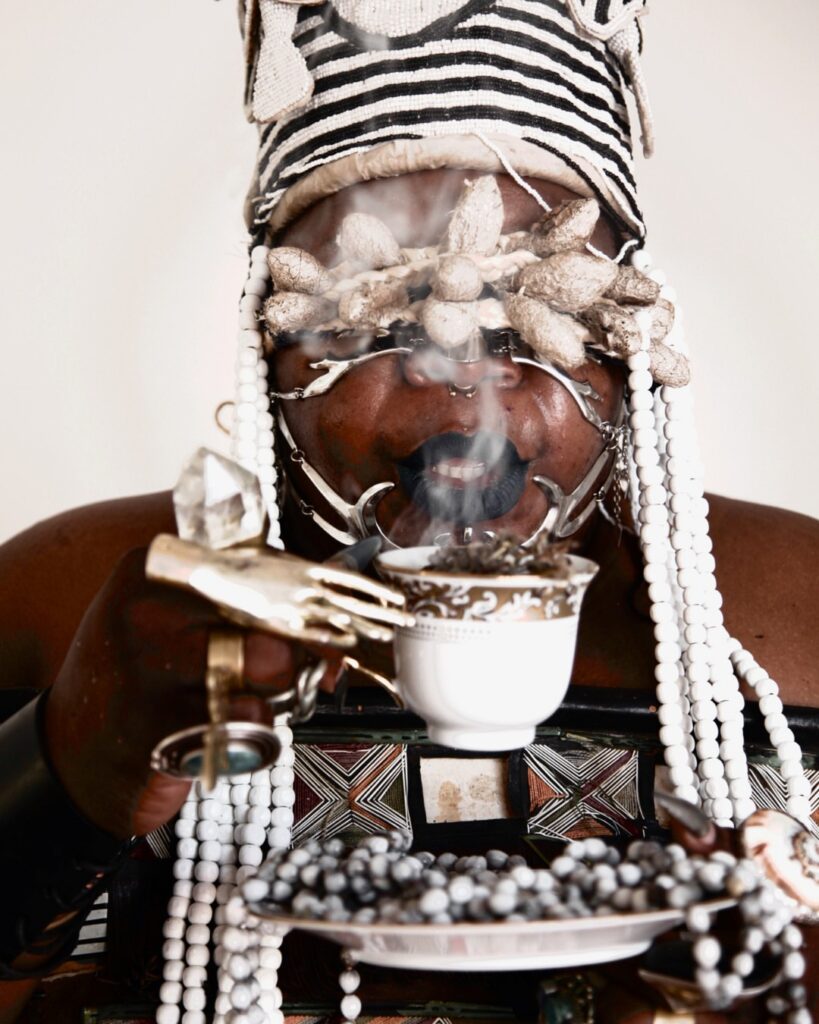
One of the most fascinating aspects of Albert’s practice is the relationship between contemporary performance and traditional African knowledge. They are a traditional healer, and ancestral practice is deeply connected to their creative process.
Their work does not treat tradition as something frozen in the past. Instead, Albert brings traditional knowledge into conversation with contemporary questions about identity, politics, sexuality and colonial history.
This is particularly evident in The Black Circus of the Republic of Bantu, created and performed by Albert in collaboration with Princess Zinzi Mhlongo. The work examines the impact of the imperial and colonial gaze on Black bodies and uses performance as both confrontation and collective healing.
It has travelled internationally, demonstrating how deeply rooted African stories can cross geographical and cultural borders without losing their meaning.
From Soweto to the world
Albert’s artistic journey has taken them far beyond the stages on which they first began. Their body of work includes Influences of a Closet Chant, The Red Femicycle, And So You See…, The Black Circus of the Republic of Bantu and other multidisciplinary projects.
Their collaboration with French-South African director and choreographer Robyn Orlin became particularly significant, with And So You See… taking Albert’s distinctive performance language to international audiences.
In 2023, Albert received a Bessie Award for Outstanding Performer for their work in And So You See…
From Hillbrow Theatre to international stages, the journey has been extraordinary. But perhaps what makes it even more remarkable is that Albert has never had to abandon the cultural and spiritual foundations of their work to enter international spaces.They travelled with them.
What We Owe Them
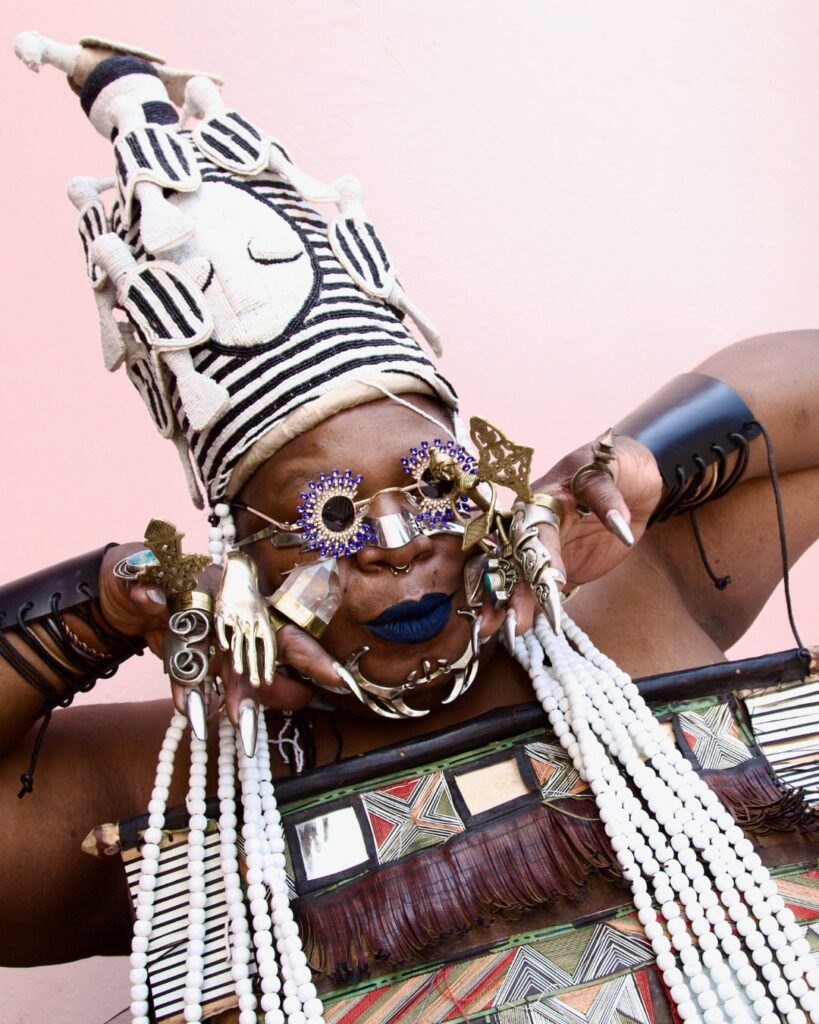
To appreciate Albert Ibokwe Khoza is to appreciate the labour of refusal.
In an industry that still rewards African artists for being legible to the West, they have insisted on being legitimate to themselves. First a sangoma and performer, archive and invention, sacred and profane at once. That is no small contribution. It has forced theatres, festivals and institutions to expand their language for what counts as contemporary.
The future of African storytelling does not need more permission. It needs more precedent. Khoza provides it.
The next generation will not have to choose between ancestral knowledge and contemporary form, between the township and the international stage, between being seen and being safe. They will inherit a blueprint where the Black body is not a subject to be explained, but a methodology to think with.
That Thursday night in 2011 was not just an introduction to an artist. It was a glimpse of where we are headed.