


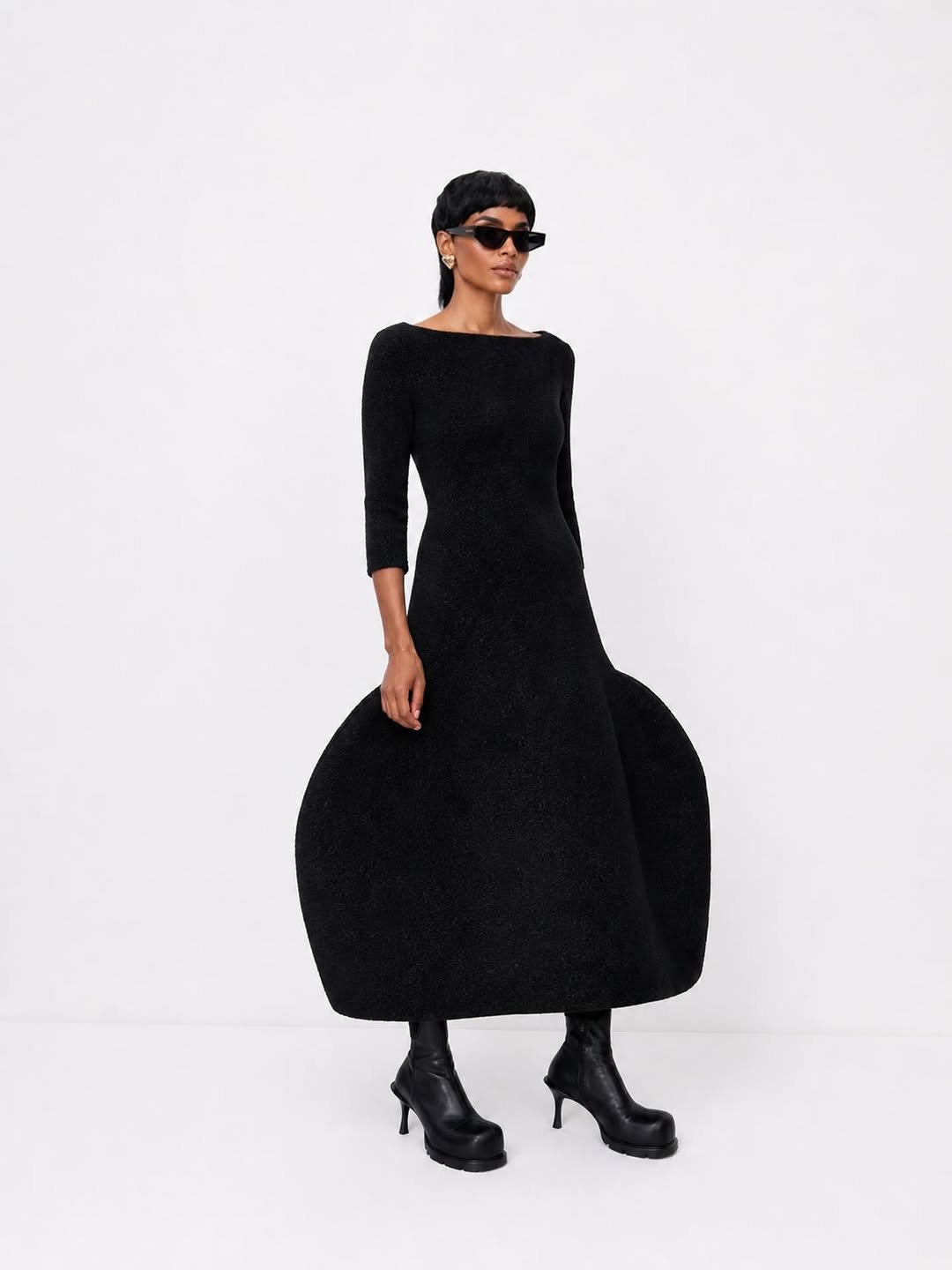
How a dancer from Soweto built a practice where fashion, sound, architecture and performance speak the same language.
The Soweto-born artist doesn’t work across disciplines. She builds a world where they belong together.
Manthe Ribane first trained the eye through movement. Pantsula, voguing, waacking a physical language that took her from Soweto to international stages as a dancer and choreographer, including work with Die Antwoord. But for Ribane, dance was never the destination. It was the first room.
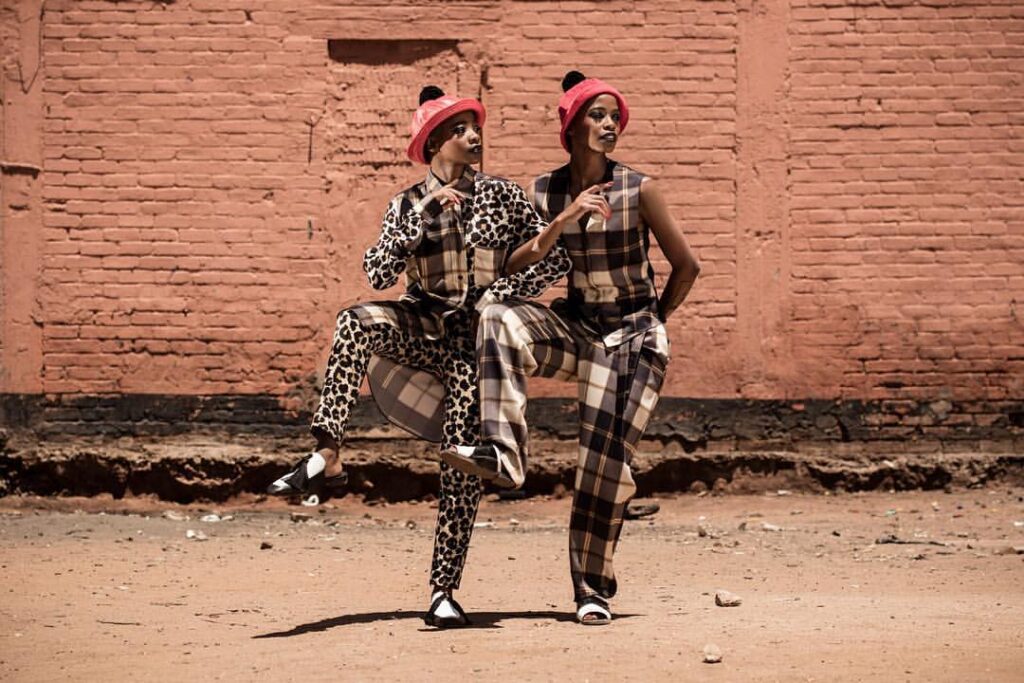
Today her practice is listed as visual and art director, performer, musician, designer and collaborator. The list matters less than how she uses it: fashion, sound, photography, performance and spatial design as one continuous conversation about African identity, technology and contemporary culture.
If you have followed her work over the last decade, you have seen her in different rooms. On stage, in a movement vocabulary that is technical, rhythmic and entirely her own. In the studio, on vocals and production for her Hyperdub releases with UK producer OKZharp. On set, art directing a fashion story. At NIROX Sculpture Park, designing a gathering space from raw wood, glass, clay, linen and stone. For most artists, that would be five different careers. For Ribane, it is one continuous practice.
A House With Many Rooms
That question what happens when movement, sound, image and space are treated as the same conversation became clearest in music.
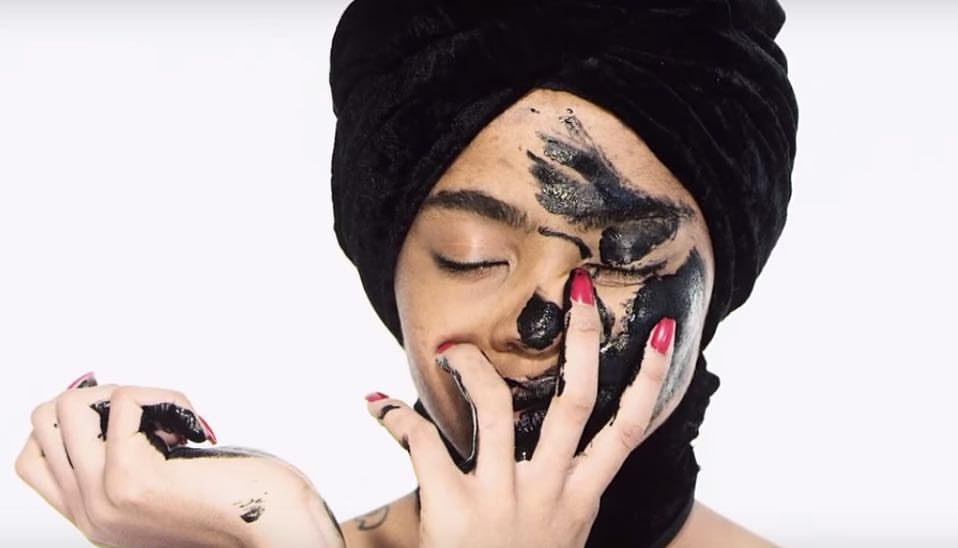
With OKZharp, Ribane released Tell Your Vision and later Closer Apart on Hyperdub, projects that fused electronic production with South African rhythmic influence and a fully built visual world made with filmmaker and photographer Chris Saunders and other collaborators. Around Closer Apart, she described art as a home with different rooms. Music, fashion, dance, colour, film, photography. You can walk between them, but they all belong to the same house.
It is a simple metaphor, but it explains everything about how she works. She is not hopping disciplines. She is building an ecosystem where each room gives the next more meaning.
Collective Authorship
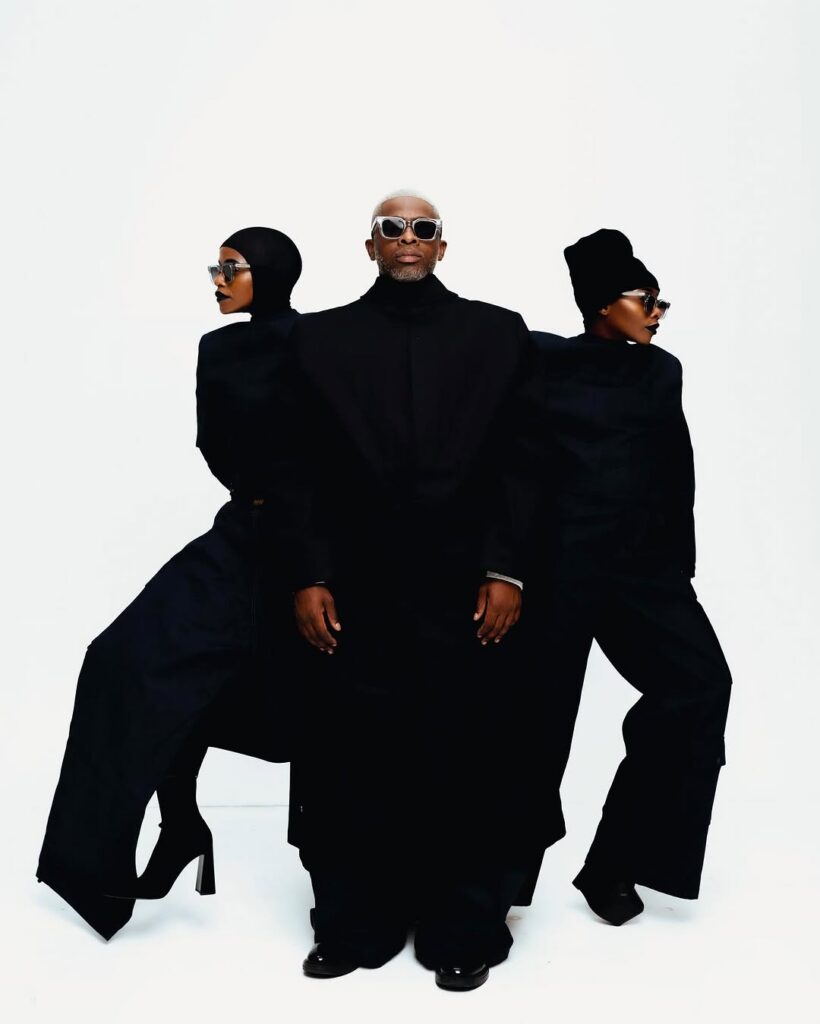
The clearest expression of that ecosystem is Dear Ribane, the collective she formed with her siblings Tebogo and Kokona Ribane.
Dear Ribane operates across graphic design, dance, music, photography, performance and art, creating conceptual projects for both African and international audiences. Its collaborators have included Kenzo, CHANEL, Nike, Apple and Carhartt UK, but the importance of the collective is not the names attached to it.
It is the proposition. Dear Ribane insists that African creativity does not have to respond to international trends to be validated. It can generate its own visual language. The work often feels futuristic stark, minimal, sculptural but its foundation is deeply connected to African identity, movement, spirituality and cultural memory.
That tension, between heritage and futurism, has become the signature of Ribane’s world.
From Image to Environment
In recent years, Ribane has taken that language off the screen and into space.
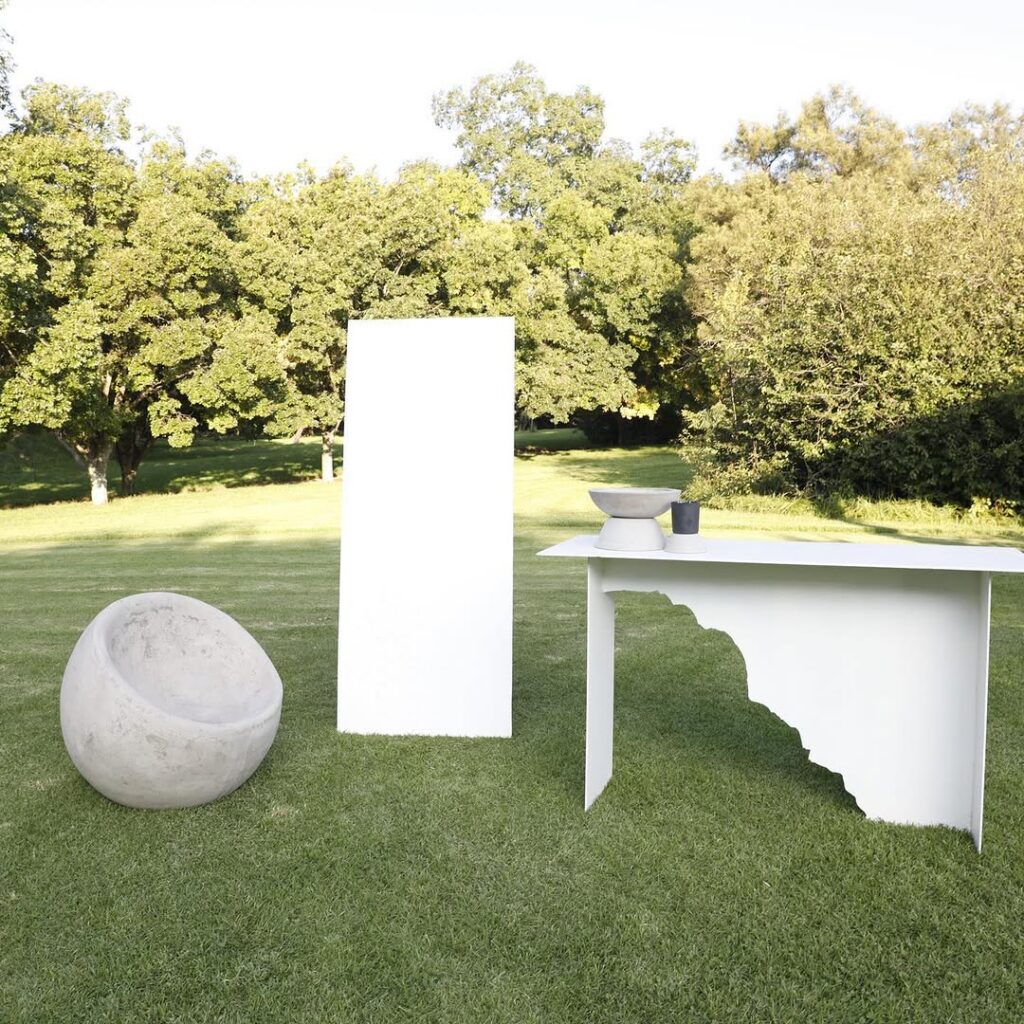
At NIROX Sculpture Park, her Natura Co-lab, designed with Benj Liebmann, functions at once as atelier, gallery and gathering place. Raw wood and glass meet clay, linen and stone, not as decoration but as material thinking. Before that, her arteBOTANICA project at NIROX brought together artists from different disciplines to create installations and performances embedded directly in the landscape.
These projects mark a shift. Ribane is no longer just creating images or performances. She is designing the environments in which art is experienced.
You see the same sensibility in her visual archive. Her current practice is preoccupied with sculptural form, minimalism, the body against architecture, fashion as composition. Her Instagram is not a mood board. It is a considered edit monochromatic fashion imagery, experimental objects, installations — where performance, design and space are held in one frame.
Sound as Sculpture
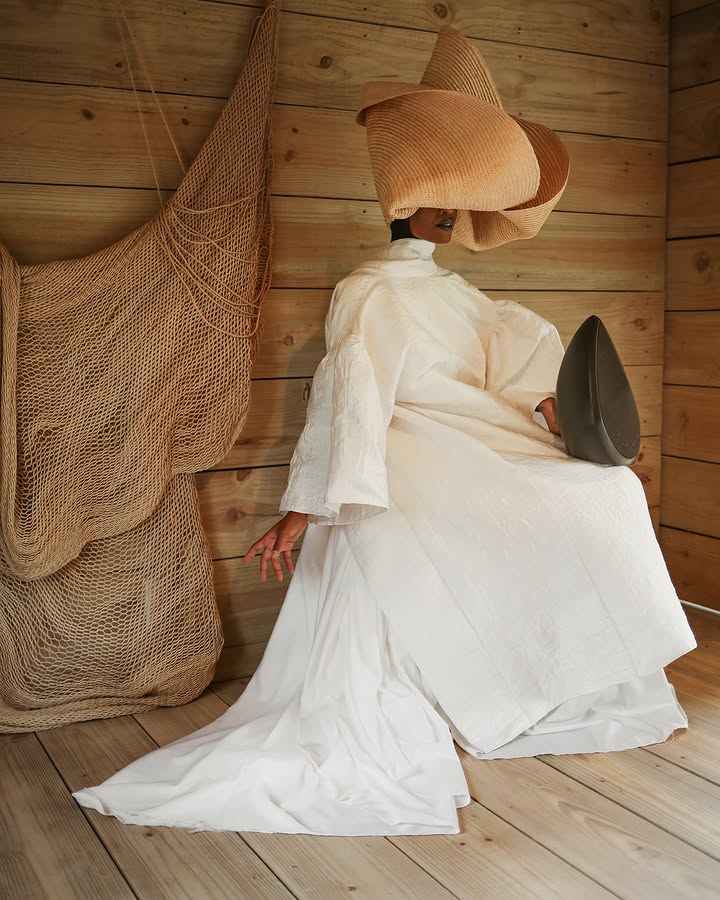
That synthesis of body, object and space was formally recognised at the 2025 House & Garden Designers of the Year Awards, where Manthe Ribane x Pantheone Audio received Pan-African Designer of the Year. The collaboration collapsed sound, design, performance and technology into a single object and experience. A sound system as sculpture. Technology as ritual.
It is a fitting award for an artist who has consistently questioned where one discipline ends and another begins.
Why It Matters Now
Ribane’s importance in South Africa’s creative landscape is not just about range. It is about permission.
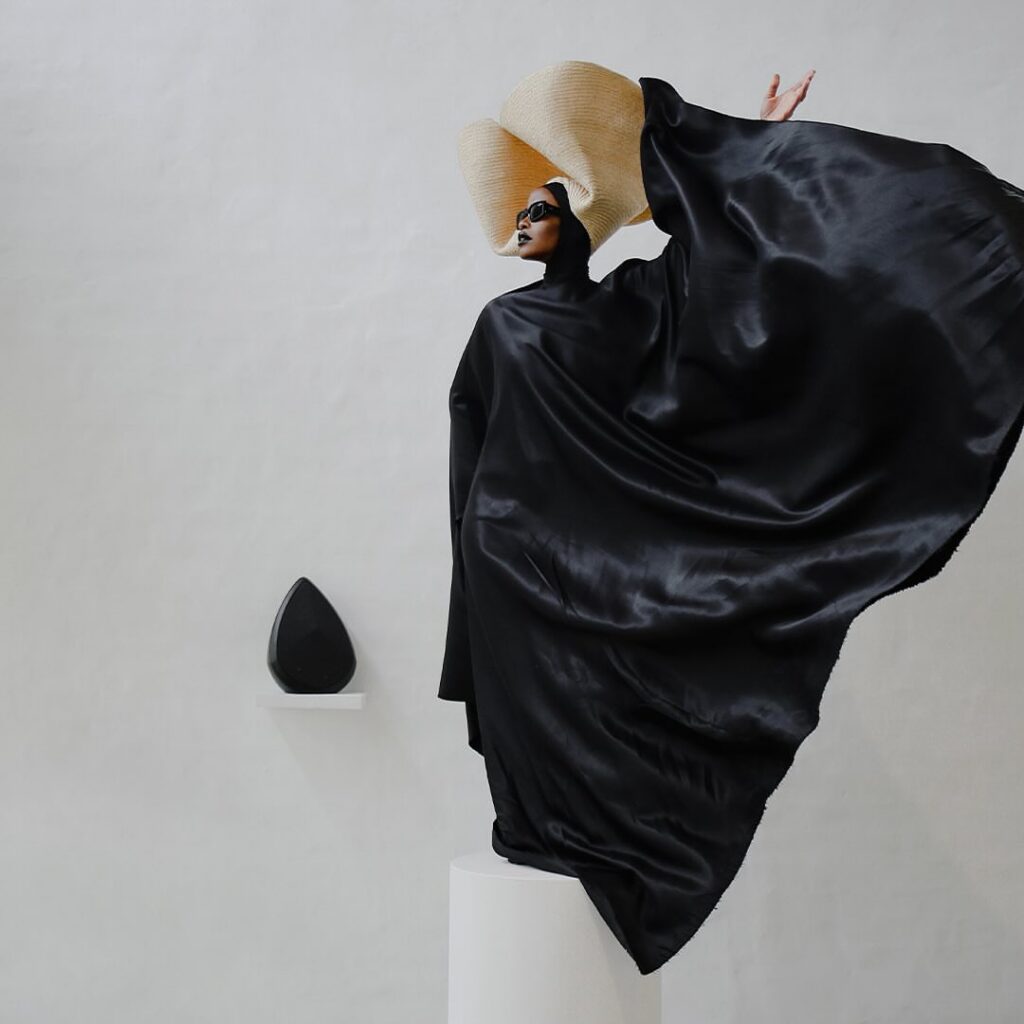
Her career sits inside a generation of African artists who are refusing to be neatly categorised. Her practice makes a structural argument that a dancer can be a designer, a musician can be a visual artist, a performance can be a fashion story, a gallery can be a community space.
There is something distinctly South African about that willingness to experiment, to collaborate, to pull from seemingly distant cultural references and make something new that is still rooted.
Manthe Ribane is not just participating in the evolution of South African creative culture. She is offering one compelling answer to where it can go next: toward a future where African identity, technology, art, fashion, sound and design are not separate conversations, but parts of one expansive, self-authored visual language.
She has never seemed particularly interested in choosing just one room.